

September isn’t just about back-to-school season and cooler weather—it’s also National Cholesterol Month, a reminder to check in on one of the most important numbers for your health. High cholesterol often doesn’t show symptoms, which is why it’s known as a “silent” health risk. Left unchecked, it can clog arteries and raise your risk of […]


A study finds that taking a 10-minute walk after a main meal resulted in lower blood glucose levels. The shorter, more frequent walks immediately after meals reduced blood glucose by around 12% compared to a single 30-minute walk each day for people with type 2 diabetes. The greatest benefit, a reduction of 22%, was seen […]

Osteoporosis, or “porous bone,” is a disease of the skeletal system characterized by low bone mass and deterioration of bone tissue. Osteoporosis leads to an increased risk of bone fractures, typically in the wrist, hip, and spine. Diet and exercise can do a lot to not only prevent osteoporosis, but to also reverse osteoporosis that […]

Anybody who’s ever weeded a row of turnips, planted petunias, or mowed a thriving lawn knows that gardening can be hard work. That hard work pays off in more ways than having the best roses on the block or a tasty salad. Gardening in its various forms can: Increase hand strength, body strength, and flexibility […]
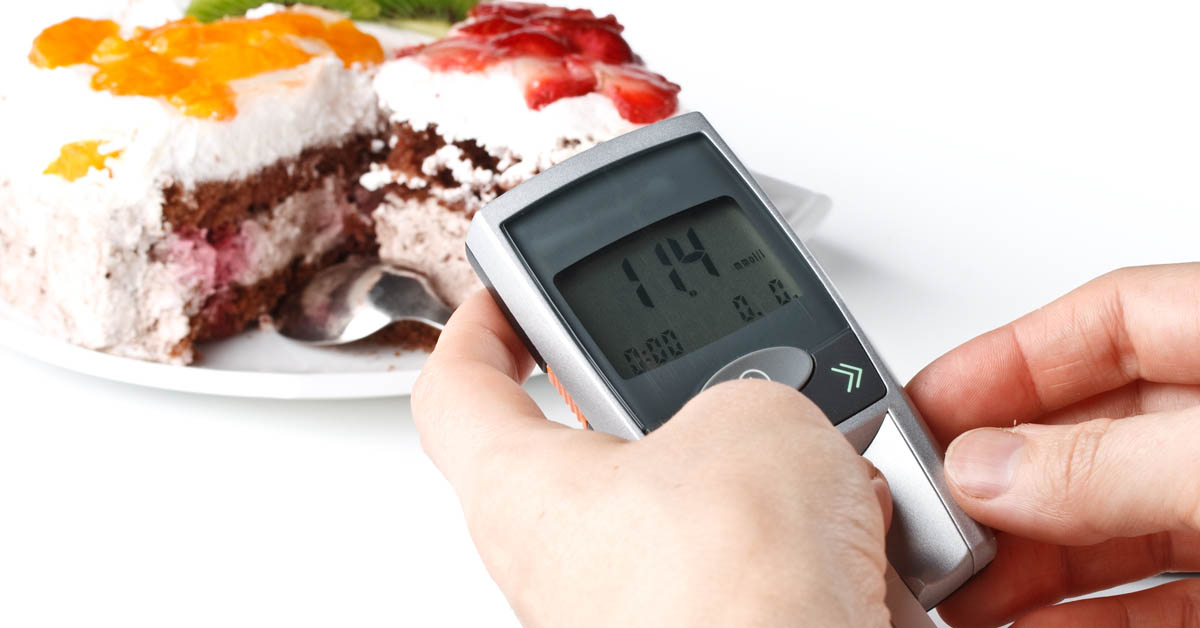
A recent study adds to the body of evidence that diabetes may increase stroke risk in women but not in men. The research team analyzed medical data from approximately 11,000 males and 19,000 females. Nearly 3,000 cases of stroke occurred among the participants during the average follow-up period of 7 years. An association between blood […]
Pulmonary embolisms (PE) and deep vein thrombosis (DVT), caused by blood clots forming in veins, are responsible for up to 100,000 American deaths each year. Do you know who’s at risk and how to recognize the signs of a blood clot? Risk Factors: * Limited mobility because of a medical problem, surgery, or paralysis * […]

White-coat hypertension, named after the traditional white coats worn by doctors, describes a condition where an individual’s blood pressure is elevated in clinical settings but remains normal in everyday environments. This phenomenon is believed to result from anxiety and stress experienced during medical appointments. However, recent studies suggest that white-coat hypertension may be more than […]
